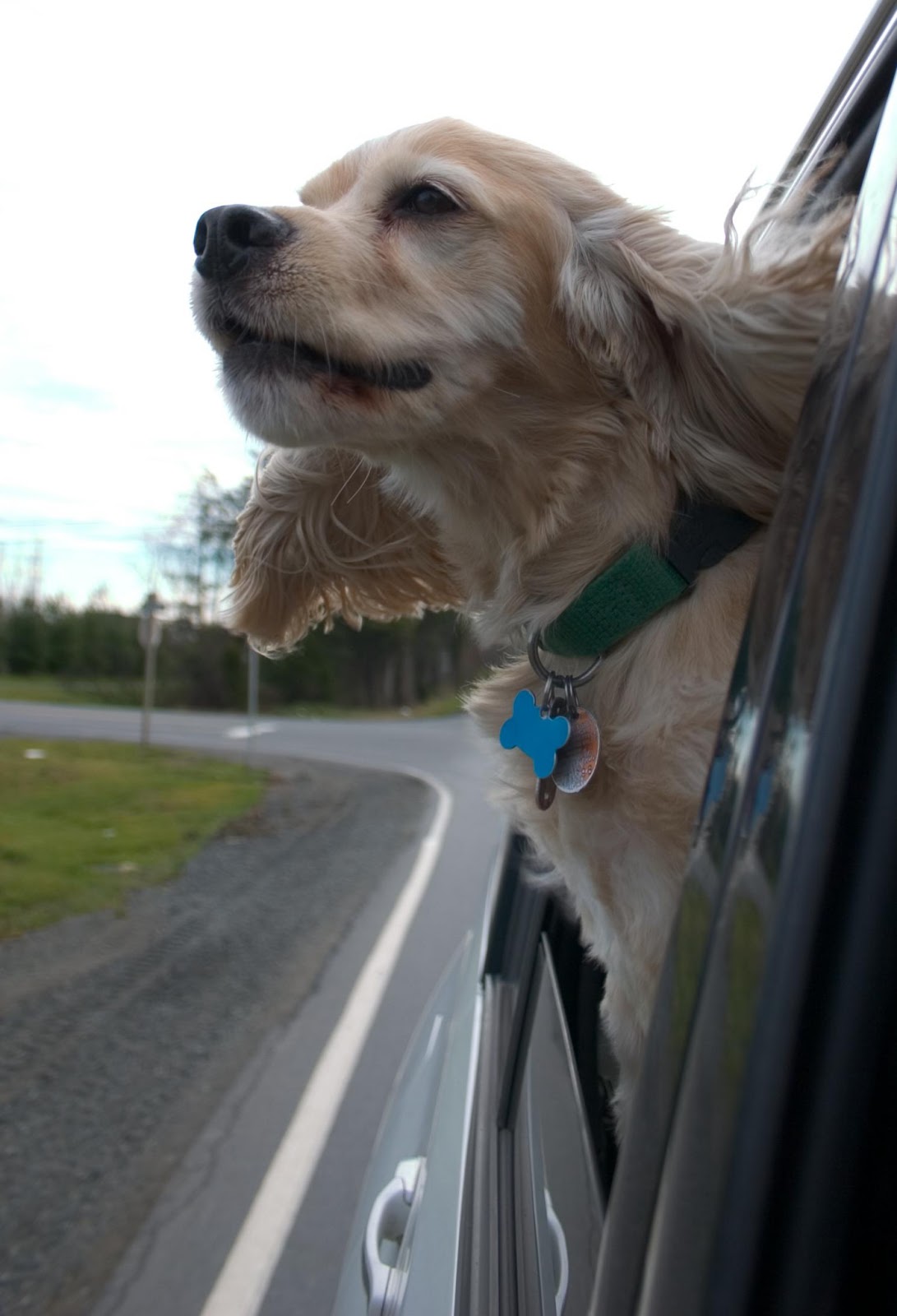
Showing posts with label pet safety. Show all posts

Friday, March 14, 2014

Choosing the Right Crate for Your Dog

A crate can be one of the most beneficial tools for any dog owner. It provides a great way to help housetrain your dog and a way to keep your dog safe when they are not being monitored, among many other benefits. The crate can be an asset to any pet owner, but choosing the right one for your dog can be a daunting task. There are many different types of crates on the market, so which crate is right for your pet?

Wire Crate

Pros
  • The wire crate allows for great ventilation, which is especially important in warm climates. It is also good for dogs that tend to get hot easily.
  • Most wire crates now come with the option of a wire divider. This allows you to expand the crate as your puppy grows into it.
  • Wire crates come with a tray in the bottom, which means easy cleaning since the surface can be removed and wiped down.
Cons
  • Some dogs may find it easy to escape from a wire crate.
  • Large crates can be big, heavy and difficult to move.

Hard Plastic

Pros
  • This crate is perfect for dogs that like to cozy up in a corner.  It is made out of hard plastic and allows for the perfect spot to cuddle.
  • If you plan on any airline travel for your dog, this is the crate that all airlines require.
  • Since the sides are made of solid plastic, it is typically the most difficult of all standard crates for your dog to escape from.
Cons
  • The crate is made of plastic, therefore is bulky and takes up a lot of room. It also doesn’t collapse as nicely as other crates.
  • The crate isn’t ventilated as well as other options, so it isn’t designed to be used in warm climates or with dogs that tend to overheat easily.

Soft Sided Crate

Pros
  • Perfect for on-the-go travel, these crates collapse down and are lightweight.

Cons
  • Since they are made of fabric, they are easily destructible, making them better for smaller dogs and dogs who are already crate trained.
  • These crates feature a zipper instead of a standard closure. It can be possible for some dogs to figure out how to escape by unzipping the crate.

Heavy Duty Crates

Pros
  • If you have a dog that is a destructive chewer, it might be necessary to buy them a heavy duty crate. These crates are reinforced in order to prevent your dog from escaping.
Cons
  • Since the crates are reinforced, they are typically bulky and very expensive.

Choosing the right crate for your dog can be easy, as long as you know what your dog’s needs are and how you intend on using the crate. Take the time to find the right crate and to crate train your dog properly. 


Friday, December 13, 2013

Santa Paws - Keeping your pet's pads safe in winter


With the first snowfall of the year in the books, you may have begun to notice that your dog’s paws seem to be bothering them more than usual. The change in the weather can be a huge contributing factor, but salt on the ground can also irritate your dog’s paws. It's easy to take the proper steps to insure your dog’s safety during the wintertime.

Use dog-friendly salt

One major cause of irritation is the salt used to melt ice. Salts can cause serious irritations for your dog. Make sure you spend a little extra money to invest in a pet-friendly salt. Safe Paw is a great dog-friendly salt and can be found at most local pet stores and hardware stores.

Walk your dog on the grass instead of the sidewalk

Since most of the salt that can bother your dog’s paws is on the sidewalk, a great alternative can be walking your dog on grassy spots that haven't been salted. Make sure the hair in between your dog’s paws is kept trimmed in order to prevent snow from building up between their toes, which can make it hard for them to walk.

Invest in a pair of dog booties

If your dog is tolerant enough, a pair of dog booties could solve paw irritation problems. However, some dogs enjoy wearing the boots more than others. If you do decide to try boots, make sure you introduce them slowly in order to get your dog used to wearing them. Let your dog become accustomed to the boots indoors before you make them wear them outside.

Clean your dog’s paws after going for a walk

Simply wipe your dog’s paws down with a warm, damp rag when you return from a trip outside. This removes the salt and prevents possible stomach issues in the event your dog would lick their paws and ingest the salt. A good wiping with a cloth will do the trick.

The wintertime and snow can be great fun for your dog! Just be sure to keep your dog’s paws clean in order to prevent any safety issues.


Friday, October 25, 2013

Getting your pet comfy in costume


With Halloween coming up, it’s the right time to find the perfect costume for your pet. However, dressing up your pet could cause a few problems. What happens if your dog absolutely hates the costume, and they end up shaking and shimming their way out of it? 
 
The answer is quite simple, prep your pet and desensitize them to the costume before they wear it for Halloween. If you follow these few simple steps, your pooch can proudly prance in their Halloween costume, and be comfortable while doing so!

1. Don’t force your dog to put on the costume the first time you present it to them. Start easy, present the costume to the dog with food on top of it. This gives the dog a positive introduction to the costume without being too invasive. Leave the costume on the floor or somewhere your dog can approach it freely and continue to reward them with food for any interaction with the costume. If they sniff it or approach it on their own, feed them. If you can get to the point where your dog sticks their head in the costume, that would be wonderful! They should be greatly rewarded for this behavior. 

2. Put your dog’s costume on for short periods of time once they grow comfortable around it. A great time to put the costume on would be when your pooch is about to eat dinner. When putting the costume over your dog’s head, always make sure you lure them and reward them with treats. Putting on a costume can be stressful for your dog, so do everything possible in order keep the experience positive. If you have a toy motivated dog, you can put the dog’s costume on and play with them. 

3. Reward, reward, reward. Once your dog gets used to wearing the costume for short time periods, you can start leaving it on for longer periods of time. Remember to always supervise your dog when they are wearing their costume. You never know what they could choose to eat off their costume or whether or not they may get stuck and hurt themselves.

Be sure to recognize when the costume is not working.  Don’t force your dog to wear something that they absolutely hate. If you try to get your dog acclimated to a costume and they still can’t seem to stand wearing it, don’t force them to wear it for your own satisfaction.

Remember to be safe and always watch over on your pooch on Halloween. Halloween can be fun and adorable for your dog, but all the activity can be scary and rambunctious, so keep an eye on your dog while you have trick-or-treaters.

Friday, July 26, 2013

Take a Hike! Tips for Hitting the Trails with Your Dog


There’s nothing like a nice, long hike with your dog. Cooler summer or fall days make for perfect hiking weather, meaning there is no better time than now to take to the trails. There are, however, some precautions that you should take in order to make sure you and your pup are safe. Here are some essential tips that you should follow whenever you bring your pooch hiking:


Make sure that your dog is wearing an ID tag: If your pooch runs off, proper contact information is crucial. All ID tag should list the following things:

  • Pets name
  • Your cell phone number
  • Additional contact number 
  • Hometown: This way, if your dog is lost, anyone who finds them will know how far your dog is from home.
  • Medical issues and/or medicines: If they are lost and no one can get into contact with you, this is vital information for whoever found them to know.

Make sure your dog is in good physical condition, and respect your dog’s limits: Start small and work up to bigger hikes, and make sure your dog is in good shape.

Find a good, dog friendly trail: Some hiking trails aren’t dog friendly, including a good amount of trails in National Parks, so do your research before you go.

Hike during the cool parts of the day: Morning and late afternoon or evening are the coolest times of day. Your best bet is to get on the trail as early as possible so you aren’t walking during the midday heat. 

Pack plenty of water: Dogs don’t sweat, so they will need water to keep the hydrated throughout your hike. Stop frequently to give your dog water breaks and remember not to let your dog drink from ponds, lakes, streams or any natural body of water you may come across. These are breeding grounds for bacteria that could make your dog sick.


Bring a properly packed hiking kit: It’s always good to carry items that your dog may need while on a hike, including:

  • Treats: Always have rewards for your dog easily accessible. Whether you’re passing an aggressive dog, a person who doesn’t like dogs or another animal or stimuli in the woods, treats are an easy way to get your dog’s attention and distract them.
  • Water: So important, it’s worth mentioning twice! Make sure your pooch stays hydrated throughout the hike.
  • Air Horn: Should you get injured or need assistance on your hike, an air horn is always good to have on hand to get the attention of nearby hikers or rescue teams. There is also research that shows that air horns may ward of curious bears, so especially for hiking in New Jersey, which has a high black bear population, carrying an airhorn is always a safe bet.
  • Cell Phone: Your phone is essential on a hike not only for safety, but for a lot of great apps with the ability to show you trail maps and track your hike. Map My Dog Walk is a great way to keep track of the distance you’ve gone and the time it took you, plus the GPS tracking lets you know where you are so you won’t get lost.

Ask permission before letting your dog approach anyone, humans or dogs: Not all people and dogs are friendly, so it is always better to be safe than sorry. Even if your dog loves everyone, it doesn’t mean that everyone will love your dog.

Make sure your dog isn’t eating plants along the trail: Keep an eye on your dog at all times! There are plants in the area that can be poisonous to pets if ingested. To prevent any issues, it’s best if your dog doesn’t eat anything found in the woods on your hike.

Prepare yourself for ticks and fleas, and check your dog after your walk: Make sure you thoroughly check your dog after every walk in order to make sure they are free of tick and fleas. If you do find them make sure you treat the problem right away.

Pick up after your dog! Just because you are in the woods doesn’t mean you don’t have to clean up after your dog. If your dog goes, clean it up. Leave a clean environment for future hikers and their pets; many dog diseases are spread through feces, so it’s best not to leave anything behind.

Following these simple tips can mean a safe fun hike for both you and your pooch. Remember to use your best judgment on the trail and to always pay close attention to what your dog is trying to tell you. Safe hiking!

Friday, July 19, 2013

Kids and Dogs


Dogs and children both require a lot of attention, so when they interact with each other, sometimes things can get complicated. If you follow a very simple checklist, you can prevent dangerous situations and your pets and kids can get along well. Keep in mind that this list is aimed at older kids about three years and up:


Kids and Dogs’ Checklist:
  • Establish ground rules before the two interact for the first time. Lay out the rules for your child as clearly as possible and make sure they agree to follow them.
  • It’s critical to teach your child the right way to approach and interact with your dog. Teach them to pet the dog on their chest and cheeks, rather than hitting the dog on the top of the head. 

  • Protect your dog and make sure they feel safe while your child is interacting with them. If your puppy feels unsafe, they may be forced to protect themselves which can be risky for your child. You can help prevent this by monitoring interactions between the two and stopping your child from doing things like pulling on your dog’s ears or tail. 
  • Do not allow rambunctious play between your child and dog, even if it sounds like they are both having fun. Running around and screaming can be too much for your dog and over stimulation can cause your puppy to act improper with your child.
  • Educate your child on how to properly play with your dog with games like hide and seek, fetch and catch. These can all be great games if properly played and supervised. 
  • It’s important to teach your kids to never approach a stranger’s dog without permission from both you and the dog’s owner. Not all dogs are friendly, and even a friendly dog can be scared by an overexcited child.
  • Get your children involved in the training of your dog. This is a great way to build a confident relationship between the two. Keep in mind that you should be monitoring all types of training that your child does with your dog, as kids tend to go to extremes with their commands and it can end up having an adverse effect on your pooch.
  • Children and puppies should never be unsupervised at any point, period.  


Children and dogs can have a great relationship if it is handled properly. Make sure to always supervise your child and your dog to prevent any incidents. Getting your children involved in the training of your dog teaches them responsibility and can greatly improve their relationship. Morris K9 Campus offers a “Kids Training Dogs” Workshop, where you can oversee your child as the one in charge of training your pooch. Visit or call (973) 252-5100 to sign your kid and your pooch up today!


Friday, July 12, 2013

Never Leave a Dog Alone in the Car


Summer is here and with that the summer heat has arrived. This can mean more trips to the park, more fun playing outside and car rides with the windows down. Dogs can have very different reactions to riding in the car, which we discussed in our previous post on how to help an anxious dog in the car. What can make dogs most anxious, however, is the temperature in a car that isn’t running or moving. Within minutes a cool car can turn sweltering on a hot summer’s day, which means that dog owners need to be more conscious about leaving their dogs alone in the car. 

It is never safe to leave your dog in a car alone, for any period of time. Temperatures can reach a deadly point for your dog fast, even on a lukewarm day. Even open windows or air conditioning don’t prevent your dog from overheating. 

Before traveling with your dog, consider the many alternatives to leaving your pet alone in the car: 

Drive Thru: If you are out with your dog and want to stop to get a refreshing drink or snack, choose to go through a drive thru instead of a restaurant or store that would require you to leave your dog alone in the car. Within minutes, your car can get hotter than your dog can withstand, so do you pooch a favor and go through the drive thru.

Pet Friendly Stores: If you want to get your dog out during the summer heat, look for local stores that are pet friendly. This way you can enjoy shopping while your pooch stays cool.
 
Dog Friendly Restaurants: There are many restaurants with a dog friendly patio or other eating area that welcomes pets. A quick Google search will pull up restaurants in your area where you and you dog can both enjoy an outdoor dining experience. The Morristown Deli just opened their pet friendly patio where you can bring your dog, plus they have items on the menu just for your pooch!

Leave Your Dog at Home: If you have errands to run, leave your dog at home! It’s too hot outside to leave your dog in the car even when just picking up milk at the grocery store. Let your pup enjoy the air conditioning at home instead of being stuck in the heat.

Dog Daycare: If you have things to do but you don’t want to leave your dog alone at home, a great alternative is our dog daycare program. Our daycare is in a climate controlled facility so it’s a great way for your pooch to beat the heat and have some fun!


If you spot a dog in a car on a hot day, contact your local police department or the local animal control. Don’t ignore a dog in distress! Make sure that you keep an eye on the dog until the proper authorities have arrived, and make sure that your dog is never left in this dangerous situation. With the proper precautions, you and your pet can enjoy a road trip, as long as you stick together!

Friday, May 31, 2013

Road Trip - Helping Your Anxious Dog in the Car


So you want to get outside with your dog? There are so many options for outdoor fun as the weather warms up, but the problem may be that you have a dog that doesn’t enjoy car rides. Getting there is certainly NOT half the fun if your dog shows signs of stress, barks out the window or even vomits. Working to solve your dog’s issues in the car can be beneficial to both you and your pooch.
 
Try to determine what it is about the car that is causing your dog’s stress. Though you may never know what the exact issue is, there are always methods of improving the car ride. Some dogs will do better riding in crates, some can do better in a fixed position with a dog seat belt, and some might even need a frozen Kong in the car in order to keep the visual stimulus down. You can experiment to find out what works best for your furry family member before taking your dog on longer trips.

Start by getting your dog used to the car. Whether you have a puppy or an older dog, there are steps that you can take to help them adjust. If you have a puppy that is in its socialization window, which is before 20 weeks, it’s important to get your dog in the car as much as possible. Bring your puppy with you when making short trips. If you are running to the bank or picking your kids up from school, take them with you on these trips to get them used to the car. With puppies, you have the added benefit of adding different environments to your “socialization checklist” when bringing your dog in the car to run quick errands. Every place you bring them is a new environment that will help increase their confidence outside the home.

This process can be slightly different when dealing with adult dogs. For dogs that are afraid of the car, short trips as simple as driving around the block are key. Just once around the block and heading back home can help your dog better adjust to the car. It’s also important to end the short car trip with something that your dog loves, like a long walk. This method can also work for a dog that gets an upset stomach when riding in the car. The idea is to keep the ride short, and again end it with something that your dog goes crazy for, like a walk. This needs to be continued until your pet seems “over it,” and then you can begin starting longer trips with your dog. This process can be done with any dog that is having any type of problem in the car.
 

If your dog is clearly stressed out in the car, the best thing you can do is work on it over time. However, if you are looking for other things to help, they could benefit from the following:
  • A Crate: Crates are a great tool for the car and can take some of the stimulus away that could be causing your dog‘s stress, like movement or sounds out the window. They can also serve as a safety measure; keeping your dog in a crate or in a single position through the use of a seat belt can help reduce risk of injury should you have an accident or even just need to slam on your breaks.
  • Rescue Remedy: There are pheromone sprays similar to ones that a mother dog would naturally produce in order to help calm her puppies. These “Rescue Remedies” can be sprayed in your car in order to help your pooch calm down. Remember that it’s not a cure, but it can help your dog quite a bit.
  • Thundershirt: The thundershirt is designed to help calm your dog by making them feel more secure. It’s important to first put the thundershirt a few weeks prior during feeding times and other random “good” times. You don’t want to just use the shirt as a way to calm your dog down. If you only put the shirt on the dog when they are going in the car, they will begin to associate the shirt with the car, which could hamper its effectiveness.

If your dog vomits in the car, there are steps that you can take in order to prepare them for the car ride. Don’t feed them before they go for a car ride, and make sure they aren’t consuming a large quantity of water before getting in the car. Keep a cleaning agent with you just in case, and remember that it is easier to clean up if your dog is in a crate.

With the weather heating up, it’s keep in mind your dogs safety when being left alone in a hot car. A car’s interior heats up very quickly, even in lukewarm weather and with the windows down. If it’s 70 degrees or hotter outside, it is definitely too hot to leave your dog in the car alone, even for a short period of time.

Remember to address the issues that your dog has in the car before your drive. You should never address an issue while you are driving; not only does it put you and your dog in danger, it also endangers other people on the road. By addressing your dog’s fears and stress prior to the trip, you can help improve the car ride for yourself and your dog, and move on to enjoying outdoor activities together.